How to verify applicants with limited US credit history
How global identity data helps lenders assess thin-file applicants, resolve verification gaps and support approvals for legitimate customers.

Lenders can strengthen thin-file identity verification by assessing evidence beyond domestic credit records. Global identity history, established contact details and consistent information across independent sources can help resolve uncertainty about legitimate applicants. That confidence can support approval decisions, while creditworthiness remains a separate assessment.
A lender receives an application from someone who recently moved to the United States. Their domestic credit history is limited. Their address and phone number are new. The usual records provide little context.
An applicant can be new to the US financial system while having an established identity elsewhere.
TL;DR
A thin domestic credit file does not necessarily mean a thin identity history. Global identity evidence can give lenders additional context to assess legitimate applicants and investigate inconsistencies involving stolen identities. The goal is greater confidence in who is applying, while keeping identity assessment separate from repayment risk.
How can lenders verify thin-file applicants?
Lenders can assess identity using corroborating evidence alongside their existing onboarding checks. A thin credit file contains limited credit history; a no-file applicant has no credit record in the bureau consulted. Neither tells the lender everything that may be known about the person.
Consider a hypothetical applicant who has spent a decade working abroad before relocating to the US. They may have longstanding contact details, professional affiliations and a digital history that predates their arrival. A domestic credit check may capture very little of that context.
The lender still needs to assess repayment capacity and meet its onboarding requirements. But an unresolved identity question should be examined on its own terms: is there evidence that supports the person and details presented in this application?
Additional identity context can help answer that question. It can support a decision to move a legitimate applicant forward, even when their domestic financial history remains limited.
How does global identity data help assess new-to-country applicants?
It can provide corroborating evidence about identity continuity: whether the details presented today fit a history that developed over time.
Relevant questions include whether contact details have an established association with the person, whether professional information aligns across independent sources, and whether the available history supports a recent move.
A new US phone number, for example, may be entirely consistent with relocation. Its newness becomes more useful when interpreted alongside the applicant’s other details, rather than treated as a standalone warning.
The value comes from the relationship between the evidence. Several websites repeating the same information do not necessarily provide independent corroboration. Teams need to consider source quality, recency and whether records actually belong to the applicant.
Coverage also varies. A person with little visible digital history may still be legitimate. Missing evidence should remain an uncertainty to resolve, rather than becoming an automatic negative judgement.
Can identity assessment work without an SSN input?
Yes. Heka’s identity assessment does not require a Social Security number (SSN) as an input. This lets teams assess additional identity evidence without making that identifier the starting point for every match.
For new-to-country identity verification, this is relevant when an applicant has an established history overseas but limited domestic records. It does not change the lender’s own identification requirements. The practical question is what evidence can corroborate the applicant alongside the documents and checks the lender already uses.
How does identity verification fit into thin-file underwriting?
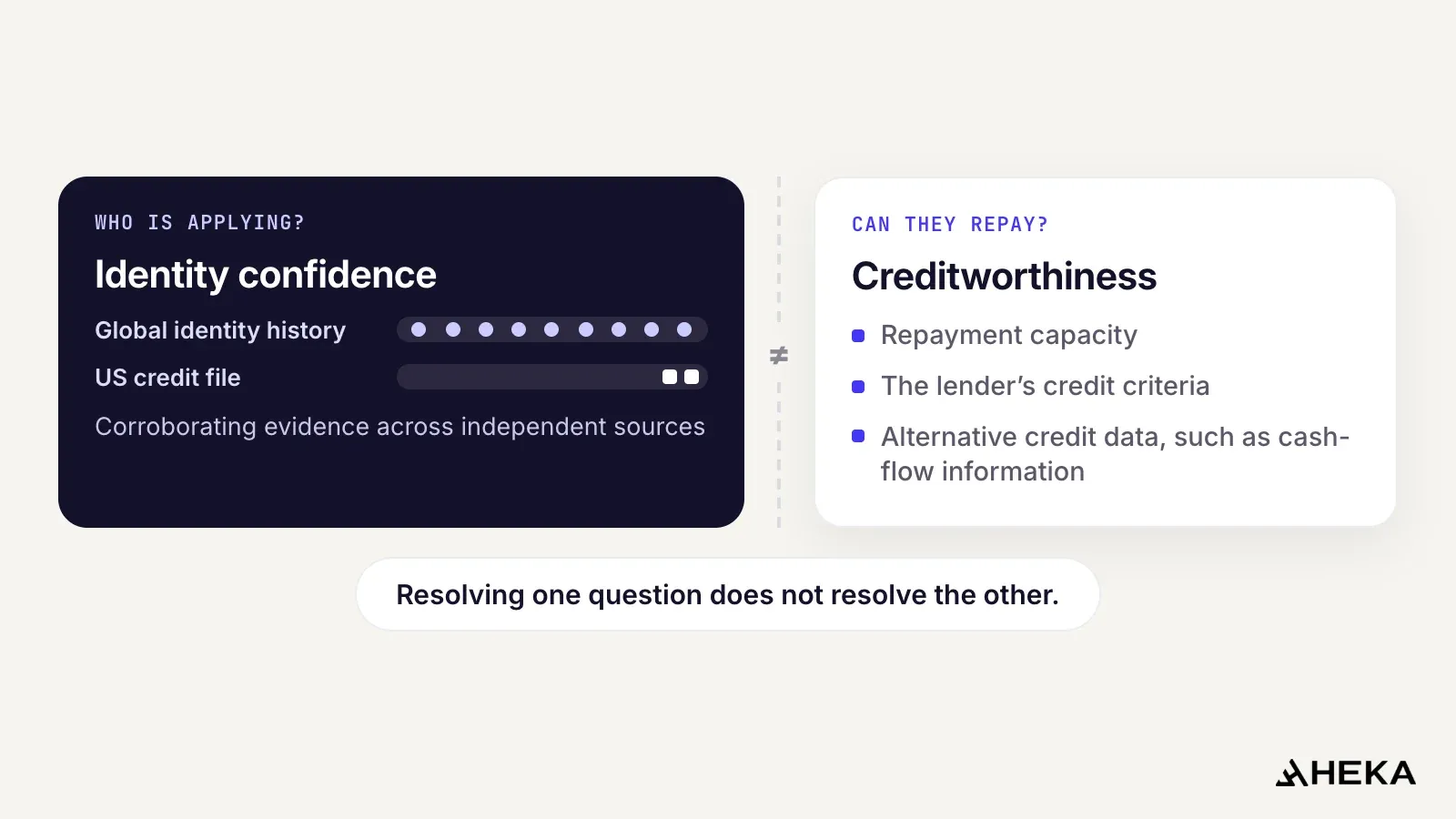
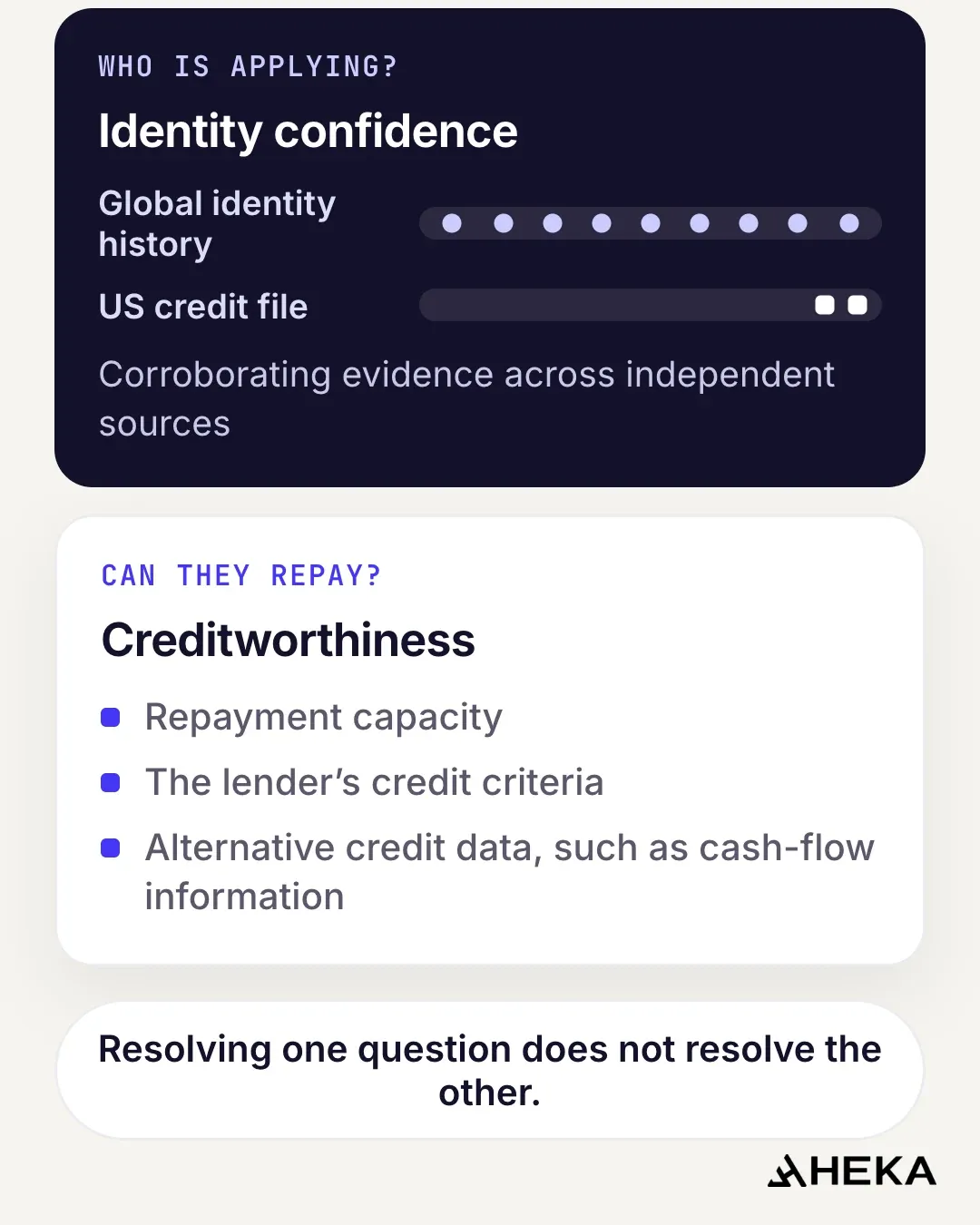
Identity verification addresses who is applying. Thin-file underwriting addresses whether the applicant meets the lender’s credit criteria, including repayment capacity. Resolving one question does not resolve the other.
Alternative credit data, such as cash-flow or payment-history information, serves a different purpose from global identity evidence. Teams should identify which gap they need to fill: insufficient credit information, insufficient identity confidence, or both. Heka’s contribution here is broader identity context.
Why does an established US record still need global context?
Because confirming that an identity exists is different from confirming that the person applying is its rightful holder.
A CBS investigation (opens in a new tab) examined suspected fraudulent business registrations involving stolen identities.
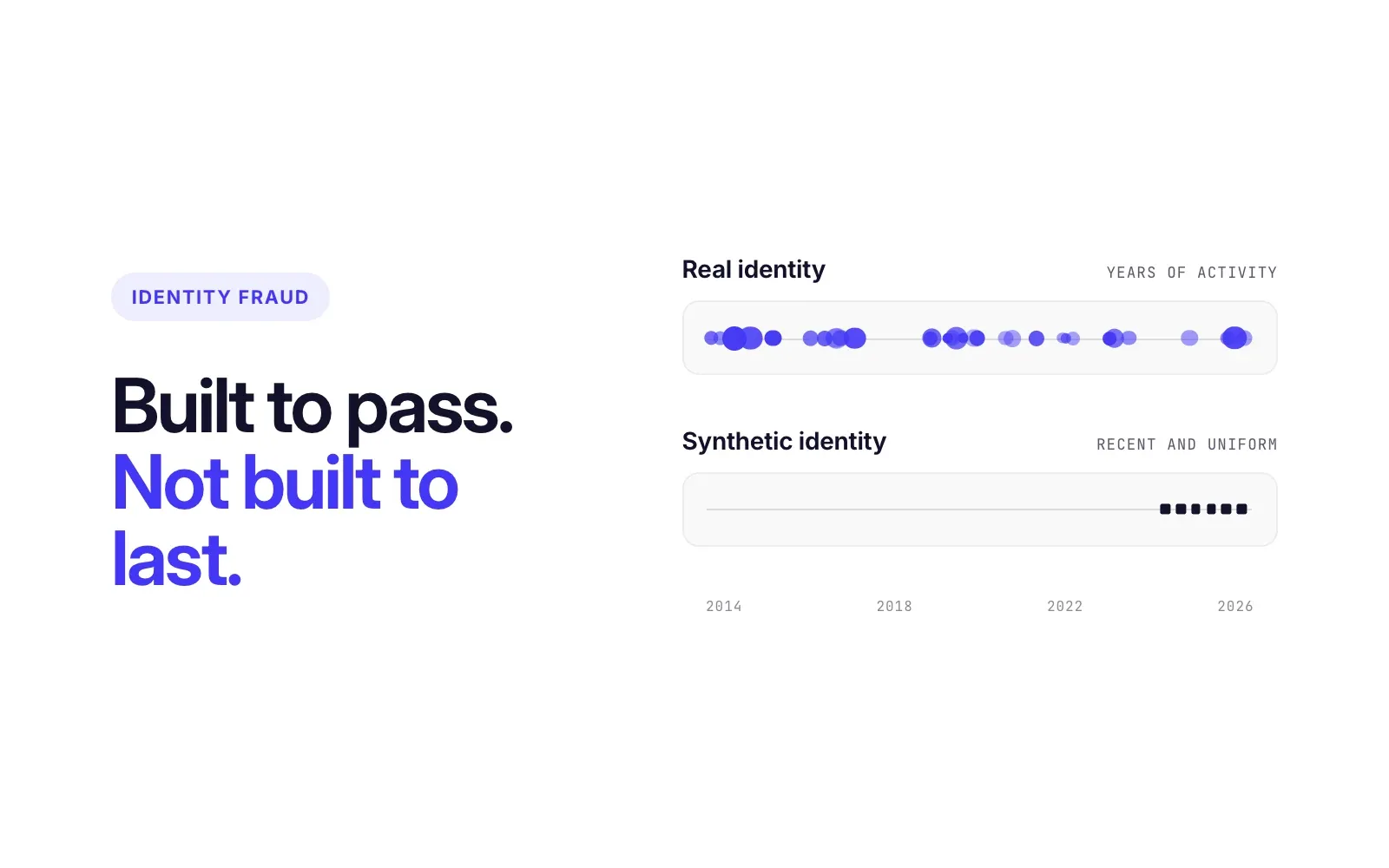
The SentiLink whitepaper (opens in a new tab) on abandoned identities explores how records belonging to people who previously lived in the US can be exploited after they leave. Its research describes stolen identity packages offered in fraud markets and cases involving subsequent credit applications.
These findings concern identity theft. They also prompt a broader question for lenders: does the domestic record reflect enough of the person’s current circumstances to assess the application?
For thin-file applicants, broader context may help corroborate a legitimate identity. For an established identity, it may reveal a discrepancy that warrants investigation. Both decisions benefit from understanding more than the presence or absence of a domestic file.
What if the identity holder has moved abroad?
Evidence of a move can help a team interpret new activity. It should trigger a contextual question, rather than an automatic fraud conclusion.
Imagine a hypothetical application claiming current US residence while corroborated information indicates that the identity holder has returned overseas. If the application also introduces contact details with no established connection to that person, the combination may justify further verification.
There may be a legitimate explanation: the person returned, maintains ties in both countries, or the information is outdated. The team needs to test those possibilities.
The useful distinction is between an explained change and an unresolved inconsistency. Global evidence gives investigators another way to examine that distinction while protecting legitimate applicants from assumptions about where they live.
Can stronger identity verification help legitimate thin-file applicants progress?
Additional identity evidence can help legitimate applicants progress when identity uncertainty is the blocker. It does not establish creditworthiness or guarantee approval.
A lender may have enough information to assess repayment capacity but still lack confidence in the identity presented. Corroborating the applicant’s history across independent sources can help resolve that separate question.
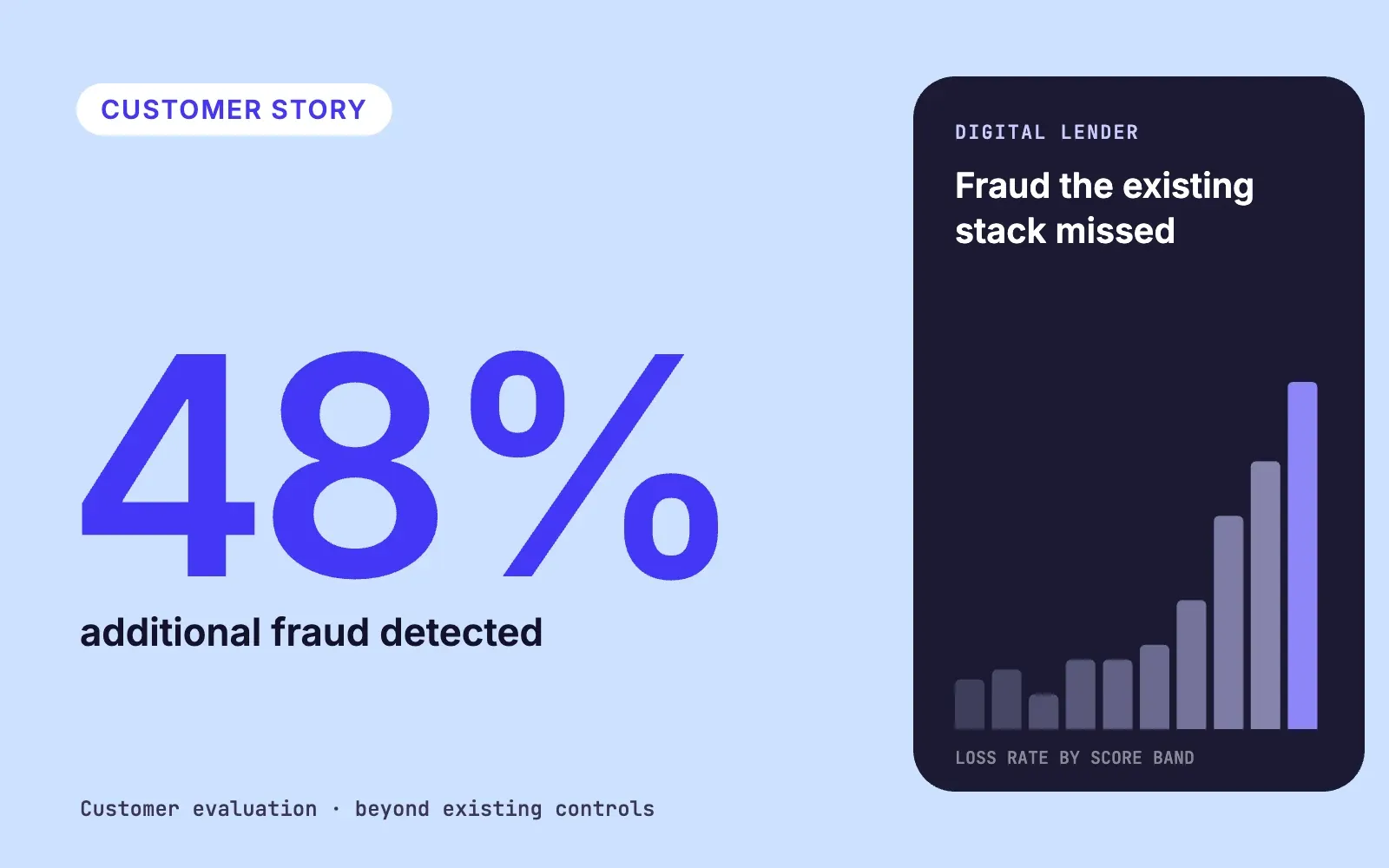
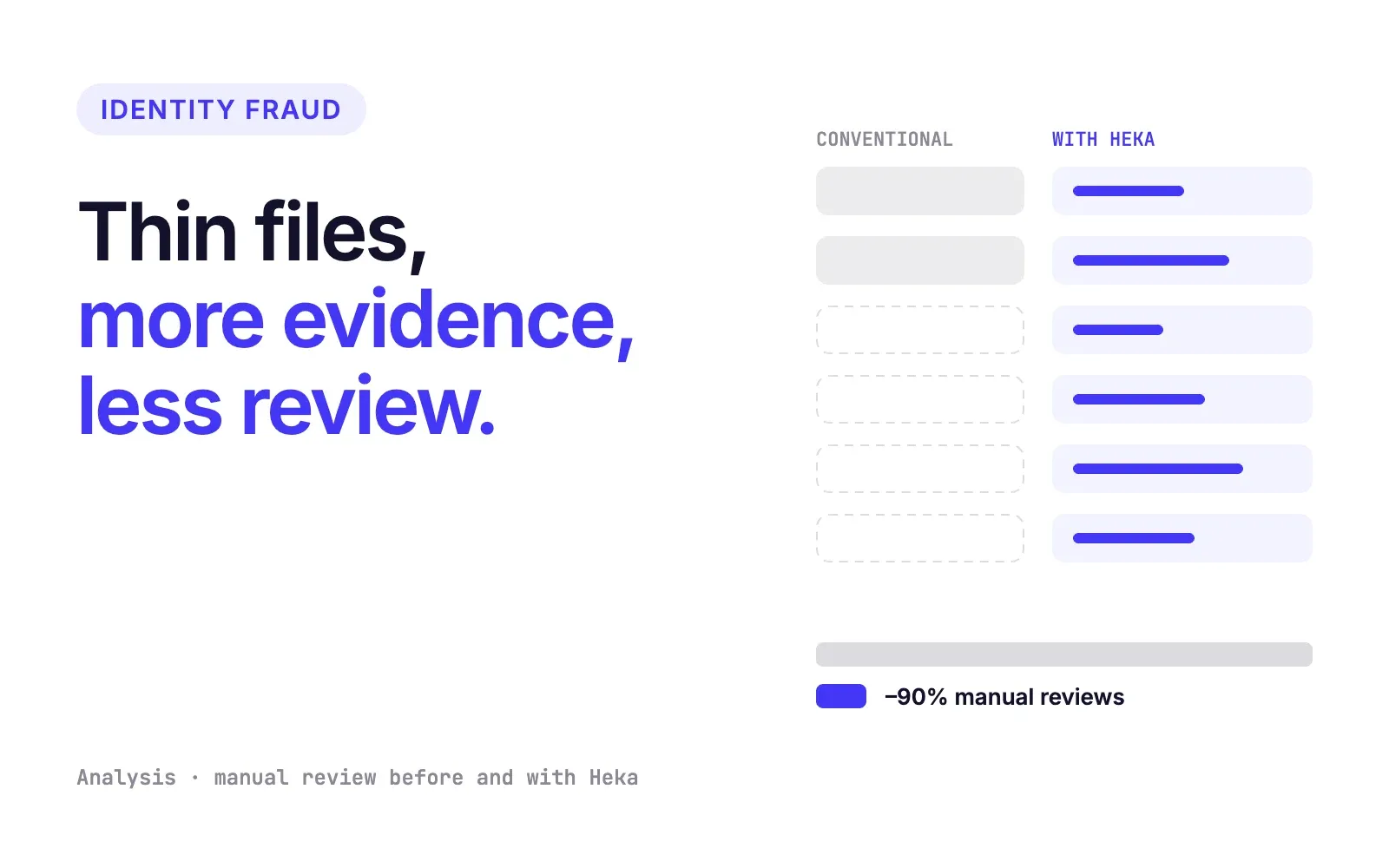
In one customer evaluation, a global payments platform added Heka’s identity intelligence alongside its existing controls to separate higher-risk identities from legitimate thin-file applicants. The evaluation found a 90% reduction in manual reviews and a 99% reduction in loss exposure. These results show that additional identity evidence can resolve identity uncertainty without sending every thin-file case to manual review. They do not measure approval rates or creditworthiness, and performance varies by portfolio and use case. Read the global fintech customer story.
For lenders evaluating additional identity evidence, useful measures include identity-related referrals resolved, legitimate applicants progressed, confirmed fraud detected and time spent reviewing cases. Any approval uplift should be measured separately within the thin-file population, while retaining the lender’s credit criteria.
How does Heka support thin-file identity assessment?
Heka brings global identity context to applicants whose histories may extend beyond domestic records. Its assessment does not require an SSN as an input, allowing teams to explore evidence beyond that identifier.
Heka’s identity intelligence adds digital, social and contact context that can be cross-validated alongside existing controls. For legitimate thin-file applicants, that evidence can help teams assess an established identity. Where available evidence indicates a move abroad, it can also help investigate whether new application details fit the person’s broader history.
A thin domestic file should prompt a better question: what relevant identity evidence exists beyond it?
Explore how global identity context can support your thin-file decisions. Talk to Heka.