9 Synthetic Identity Fraud Detection Solutions Compared

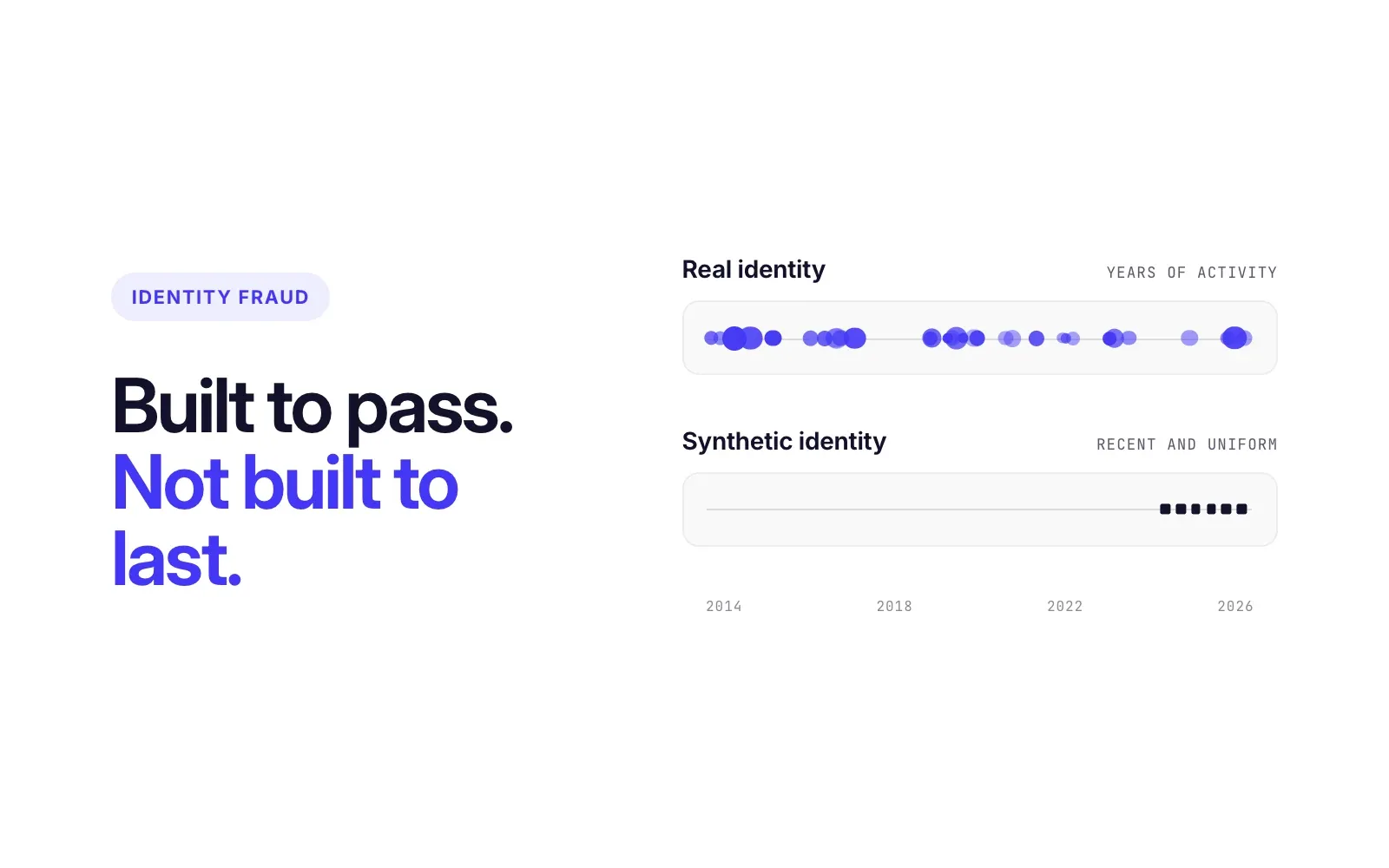
A synthetic identity can have a credit file, an active phone number and application details that match existing records. For a bank or lender, the buying question is therefore more specific than “Can this vendor verify an identity?” It is “What evidence does this solution use to distinguish a fabricated identity from a legitimate applicant, and what does it add to our existing controls?”
This guide compares nine providers that explicitly offer synthetic identity fraud detection: SentiLink, Socure, Heka, LexisNexis Risk Solutions, Experian, TransUnion, Sardine, Equifax and Prove. It is intended for US banks, lenders, payment processors and fintechs evaluating identity risk at onboarding and beyond.
TL;DR: Which solutions should you shortlist?
- Need to assess synthetic identity risk at onboarding? Consider SentiLink, Socure and Heka, comparing their dedicated scoring and external-evidence approaches.
- Need supporting identity evidence for manual reviews? Consider Heka, Socure and LexisNexis Risk Solutions. Confirm which explanations and underlying evidence are included in the proposed product.
- Need to assess applicants without an SSN? Consider Heka, which can assess identity risk without requiring a Social Security number (SSN). Ask other shortlisted providers which inputs their synthetic checks require.
- Need synthetic detection alongside credit data? Consider Experian, TransUnion and Equifax.
- Need device and behavioral signals within a broader fraud workflow? Consider Sardine.
- Need phone-based identity verification? Consider Prove.
These are starting shortlists, not exclusive categories or performance rankings. Compare shortlisted solutions on your own applicants, at an equivalent false-positive rate, and measure the fraud each catches beyond your current controls.
Published by Heka, one of the providers included. Product descriptions reflect public vendor information reviewed in October 2026. Strengths summarize documented capabilities, not proven superiority. Points to evaluate are buyer questions, not confirmed product weaknesses or findings from a head-to-head test. The order does not represent a ranking.
Which synthetic identity fraud detection solutions should you compare?
| Provider | Relevant offering or approach |
|---|---|
| SentiLink | Synthetic Fraud Score |
| Socure | Sigma Synthetic |
| Heka | Cross-validated external identity intelligence, without requiring an SSN |
| LexisNexis Risk Solutions | Fraud Intelligence Synthetic Score |
| Experian | Synthetic identity detection using credit and identity data |
| TransUnion | TruValidate Synthetic Fraud Model |
| Sardine | Identity fraud detection using device, behavioral and network signals |
| Equifax | Synthetic Identity Risk |
| Prove | Phone-centric identity verification |
1. SentiLink
SentiLink’s Synthetic Fraud Score (opens in a new tab) evaluates whether the name, date of birth and Social Security number on an application correspond to a real person. Its published product material describes identity data and proprietary merging logic used to identify SSN manipulation, synthetic families and fraud rings. The score is available through an API, batch upload or dashboard, and can be combined with electronic Consent Based Social Security Number Verification, or eCBSV, in a treatment strategy.
Strengths: A dedicated synthetic fraud score focused on the relationship between core identity attributes, with API, batch and dashboard delivery options.
What to evaluate: For banks and lenders seeking a dedicated synthetic risk score, the evaluation should connect detection to treatment. Ask which score bands warrant additional verification, what evidence investigators receive and how legitimate identity mismatches are resolved. Test synthetic detection separately from identity theft: an application using a real victim’s identity presents a different problem from an identity fabricated from multiple attributes.
2. Socure
Socure’s Sigma Synthetic (opens in a new tab) is a purpose-built synthetic identity fraud product within its broader identity platform. Socure describes its V4.5 model as combining a transformer-based architecture with its Identity Graph to identify fabricated and manipulated identities. Its published use cases include onboarding, assessment of existing accounts and risk-based escalation to additional verification.
Strengths: A purpose-built synthetic model within a broader identity platform, with use cases spanning onboarding and existing accounts.
What to evaluate: For teams evaluating Socure, distinguish the contribution of Sigma Synthetic from other products in the proposed package. Ask how its synthetic score changes decisions after your current identity verification checks, which underlying signals or explanations are available and how thresholds affect review volume. Include confirmed synthetic cases and legitimate applicants with limited history, so the evaluation measures both detection and unnecessary friction.
3. Heka
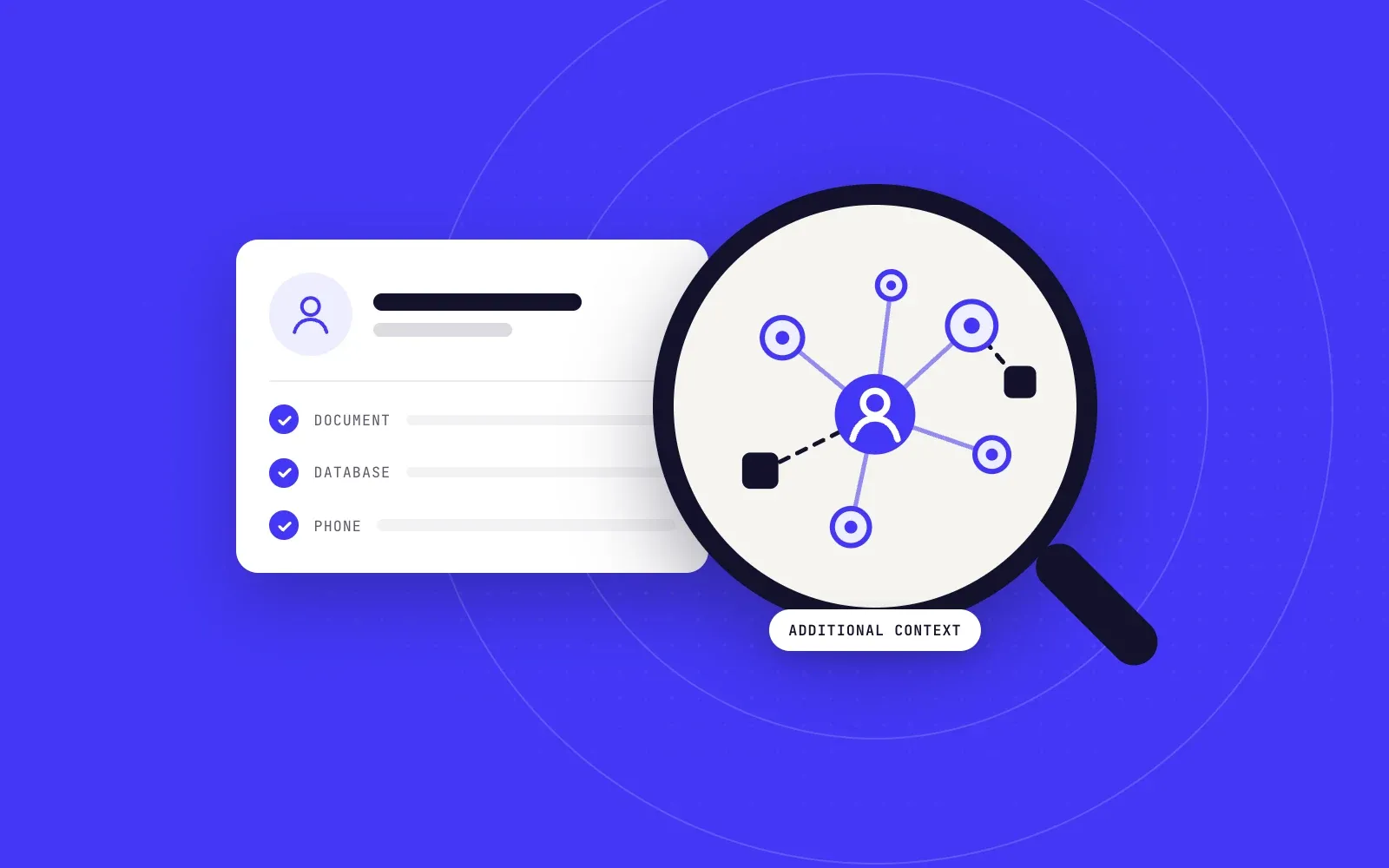
Heka’s identity fraud detection cross-validates digital, social, contact, public-record and breach data to assess synthetic and stolen identities. Its approach examines whether evidence across independent sources supports a consistent identity. Heka returns an explainable identity risk score and supporting signals, with delivery through API, batch file or analyst workflows. Heka can assess identity risk without requiring a Social Security number (SSN). This gives teams another way to assess identity risk when an SSN is unavailable, working alongside, not in place of, the identification their onboarding process already requires.
Strengths: Cross-source digital, social and breach evidence, with an explainable identity risk score and supporting signals for onboarding decisions and manual review. Identity risk can be assessed without requiring an SSN.
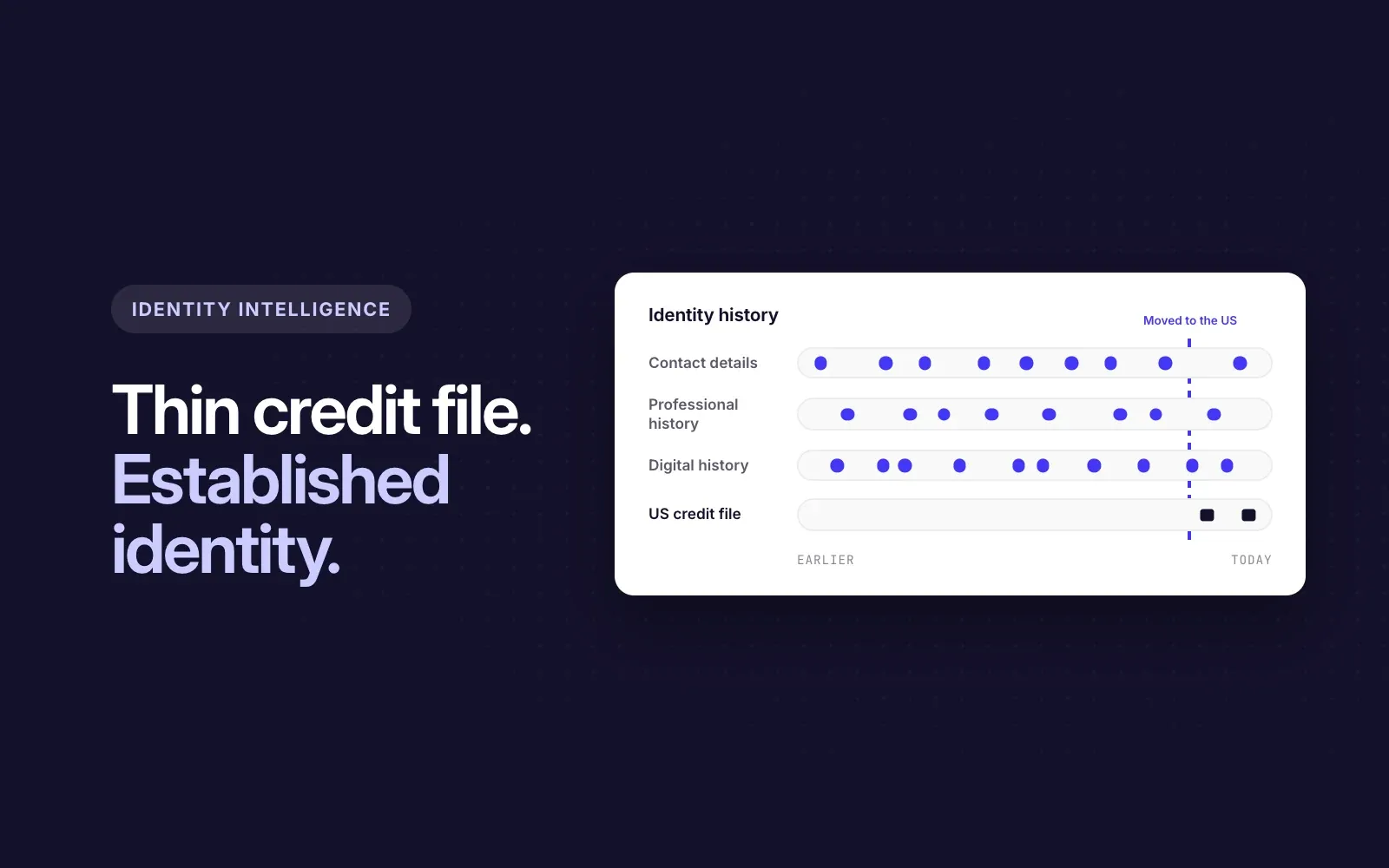
What to evaluate: For teams evaluating Heka, the relevant test is whether additional external evidence improves decisions after existing checks. Measure fraud identified among previously approved applicants, resolution of uncertain cases and the usefulness of evidence to investigators. Include legitimate thin-file and new-to-country applicants in testing. Limited digital activity alone is not proof of fraud; the evaluation should distinguish missing evidence from contradictory evidence and establish how each affects the decision.
4. LexisNexis Risk Solutions
LexisNexis Risk Solutions offers a Fraud Intelligence suite (opens in a new tab) addressing identity fraud across onboarding and portfolio management. Its dedicated Fraud Intelligence Synthetic Score (opens in a new tab) was introduced to analyze identity characteristics and events for inconsistencies and synthetic fraud patterns. The published product description explains that it provides a risk score and warning intelligence for application review, rather than a simple identity match result.
Strengths: A dedicated synthetic score and warning intelligence within an established identity fraud product suite.
What to evaluate: The key procurement question is which specific products and data are included. A proposal for Synthetic Score should not be treated as equivalent to the provider’s entire fraud portfolio. Ask what the selected configuration contributes, which explanations reach reviewers and how it integrates with existing decisioning. If you already use LexisNexis, test the incremental benefit of the proposed synthetic capability against your current configuration.
5. Experian
Experian’s synthetic identity fraud offering (opens in a new tab) combines credit, alternative credit and partner credit data with analytics and decisioning strategies. Experian describes linking fraud scores with device intelligence and relationship history, alongside checks at onboarding and later customer interactions. Its approach extends beyond a standard credit report to assess identity relationships and synthetic traits.
Strengths: Combines credit and alternative credit data with identity analytics, with options to incorporate device intelligence and relationship history.
What to evaluate: For lenders already using Experian data, the practical question is what additional detection the proposed fraud configuration provides. Request a precise breakdown of included scores, data sources and optional capabilities. Test performance separately for applicants with established credit histories and those with thin or no files. A short credit history should be evaluated as a coverage condition, rather than treated as confirmation of a fabricated identity.
6. TransUnion
TransUnion’s TruValidate Synthetic Fraud Model (opens in a new tab) is designed for synthetic identity detection during prescreening, account origination and portfolio assessment. Its current product page describes consumer-data analysis and an FCRA-compliant model that supports adverse action decisions. TransUnion also positions it for identifying existing synthetic accounts before a potential cash-out.
Strengths: Addresses synthetic identity risk across prescreening, origination and portfolio assessment, rather than only at application.
What to evaluate: Buyers should confirm the exact model version, permitted uses and implementation requirements in the proposal. For credit workflows, involve the relevant governance teams when assessing how the output would support decisions and customer explanations. Evaluate origination detection and portfolio screening separately: the available evidence, timing and action taken on an existing account differ from those associated with a new application.
7. Sardine
Sardine’s identity fraud solution (opens in a new tab) explicitly includes synthetic and stolen identity detection. Its published approach combines device intelligence, behavioral biometrics, identity information and fraud consortium signals. Sardine also describes risk-based onboarding workflows that can escalate applicants to document verification, selfie liveness or enhanced due diligence.
Strengths: Combines identity, device, behavioral and consortium signals with options for risk-based verification workflows.
What to evaluate: This makes Sardine relevant to buyers considering identity detection within a wider fraud workflow, including fintechs and payment businesses. In an evaluation, separate identity-level detection from device, session and transaction risk. Ask which signals are available through your intended integration and whether a client-side component is required. Test how much value remains when a suspicious applicant uses an ordinary device and behaves like a legitimate customer, alongside cases involving obvious automation or device anomalies.
8. Equifax
Equifax introduced Synthetic Identity Risk (opens in a new tab) in January 2026. The company describes a machine-learning product that analyzes identity data, credit history and behavioral signals to assess potential synthetic activity. It is positioned for both account opening and account management, including identifying hidden risk within an existing portfolio.
Strengths: Assesses synthetic risk using identity data, credit history and behavioral signals for both new and existing accounts.
What to evaluate: For lenders comparing Equifax with other bureau-based offerings, focus on the proposed product’s actual inputs and outputs. Ask how it differs from the Equifax fraud alerts or credit data you already receive, how frequently portfolio risk can be reassessed and which changes warrant action. Include mature synthetic cases in testing where available, rather than limiting the evaluation to newly created identities with obvious inconsistencies.
9. Prove
Prove explicitly addresses synthetic identities (opens in a new tab) through phone-centric identity verification. Its published material describes checking the relationship between a consumer and a phone number, including comparing identity information with phone-company records. Prove states that Identity Verify can identify synthetic records in banking or credit reporting systems that lack corresponding phone-company data, as well as manipulated personal information.
Strengths: Adds phone-based identity evidence by assessing the relationship between the applicant, their phone number and associated records.
What to evaluate: Prove is worth evaluating when phone ownership and identity binding are central to the onboarding design. Confirm which current product configuration delivers the required synthetic checks, its geographic and carrier coverage, and the customer interaction it requires. Test legitimate applicants with recently changed numbers or less conventional phone arrangements. A phone-based result should be assessed for the identity evidence it contributes, with a defined fallback for inconclusive cases.
How should you choose a synthetic identity fraud detection solution?
Start with the workflow. A lender assessing application fraud needs different evidence and treatment options from a processor assessing the person behind a payment account. Consumer synthetic identity detection also does not replace business verification or transaction monitoring. Define the identity decision before selecting the product.
Then use the same evaluation framework across shortlisted providers:
- Agree on fraud labels. Separate confirmed synthetic identities, stolen identities, first-party abuse and ordinary credit losses. Uncertain labels should remain uncertain.
- Compare at equivalent friction. Measure detection at a comparable false-positive rate or review budget, rather than comparing each vendor’s preferred threshold.
- Measure incremental value. Identify which confirmed cases are caught beyond your current controls and avoid double-counting cases already blocked.
- Check customer coverage. Break out thin-file, new-to-country and other relevant applicant groups. Assess approval impact alongside detection.
- Inspect operational fit. Confirm inputs, latency, explanations, escalation paths, integration effort and commercial terms.
For a deeper explanation of how these approaches work together, see Heka’s guide to synthetic identity fraud detection stacks.
The right solution should improve a measurable decision: identifying additional synthetic applicants, resolving uncertainty or reducing unnecessary review. If your team needs more external evidence behind those decisions, book a Heka demo to discuss how cross-validated identity intelligence could fit your existing controls.